
If you've mastered single crochet, half double crochet, and double crochet, congratulations-you already know how to create a half dozen gorgeous, textured stitches. No joke, these six classic stitch patterns combine some or all of those three basic stitches in different ways to make unique stitch patterns.
You'd be amazed how often these stitch names come up in popular patterns. From sweaters to baby blankets, beginner to advanced crocheters often reach for the "Lemon Peel Stitch" or the "Suzette Stitch" and I bed you didn't even realize that you essentially know these stitches already!
So let me walk you through each one so you can pick the perfect stitch for your next project.
Quick Comparison Guide
Before we dive in, here's the at-a-glance breakdown of all six stitches.
| Stitch Name | Chain Count | Row Repeat | Best For | Fabric Feel |
|---|---|---|---|---|
| Lemon Peel | Odd number | 1 row | Scarves, Sweaters, Blankets | Flat, standard thickness, pretty texture |
| Sedge (Cobblestone) | Multiple of 3 | 1 row | Textured blankets, Pillow covers | Slightly thick, regular and bumpy |
| Slit Stitch | Multiple of 3 | 2 rows | Afghans, sweaters, large projects | Pretty pops of texture. Good double crochet alternative |
| Prairie Stitch | Even number | 2 rows | Baby blankets, pot holders, small delicate projects | Soft, flat, not too dense but still has small stitches |
| Suzette (Mixed Grit) | Even number | 1 row | Quick throw blankets, pillow covers, baby blankets | Fun texture that's borderline bobble-like |
| Grit Stitch | Even number | 1 row | Sturdy bags, trivets | Dense, no stretch, cute "eyelet" pattern |
The Lemon Peel Stitch
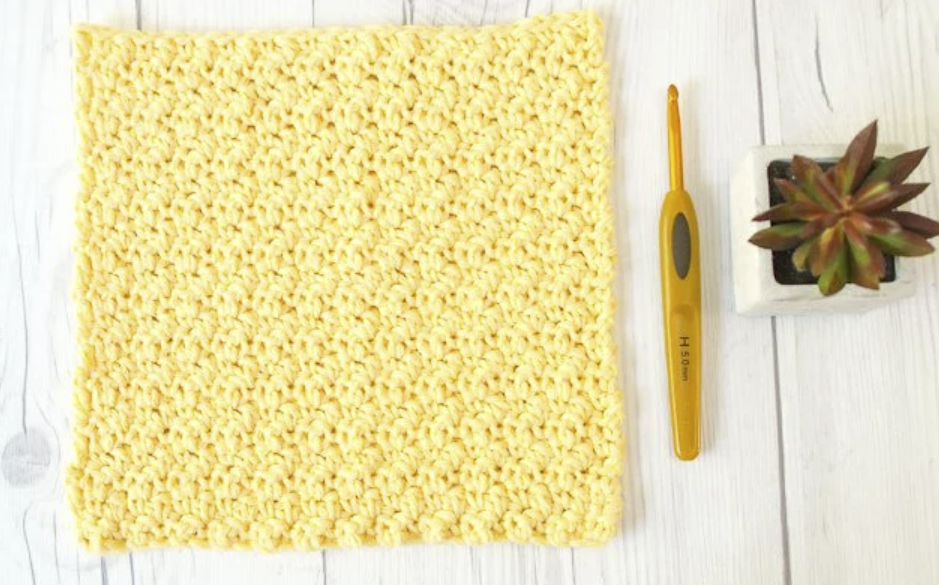
What it looks like: Imagine a field of tiny pebbles-that's the texture you get with Lemon Peel. It's bumpy, reversible, and lies perfectly flat without curling. This was my gateway stitch into alternating basic stitches into their own unique texture.
Pattern Details
Starting Chain: Odd number of chains
Row Repeat: 1 row (yes, really-just one!)
Stitches Used: Single crochet (SC), Double crochet (DC)
How to Work It
Single crochet in the first stitch, double crochet in the next stitch. Repeat across to the end of the row.
That's it. Seriously. You just alternate SC and DC all the way across, every single row.
Why it works: The height difference between your short single crochets and tall double crochets creates that pebbly texture. And because you're alternating every row, the stitches naturally stack in a way that makes both sides look identical.
My favorite use: Kitchen dishcloths. The texture is perfect for scrubbing, and since it's reversible, you can fold it however you want. That reversable quality also makes it great for blankets and scarves.
The Lemon Peel Stitch Tutorial
For a written tutorial and video, check out Katie over at Salty Pearl Crochet.
Learn More
The Sedge Stitch (aka Cobblestone Stitch)
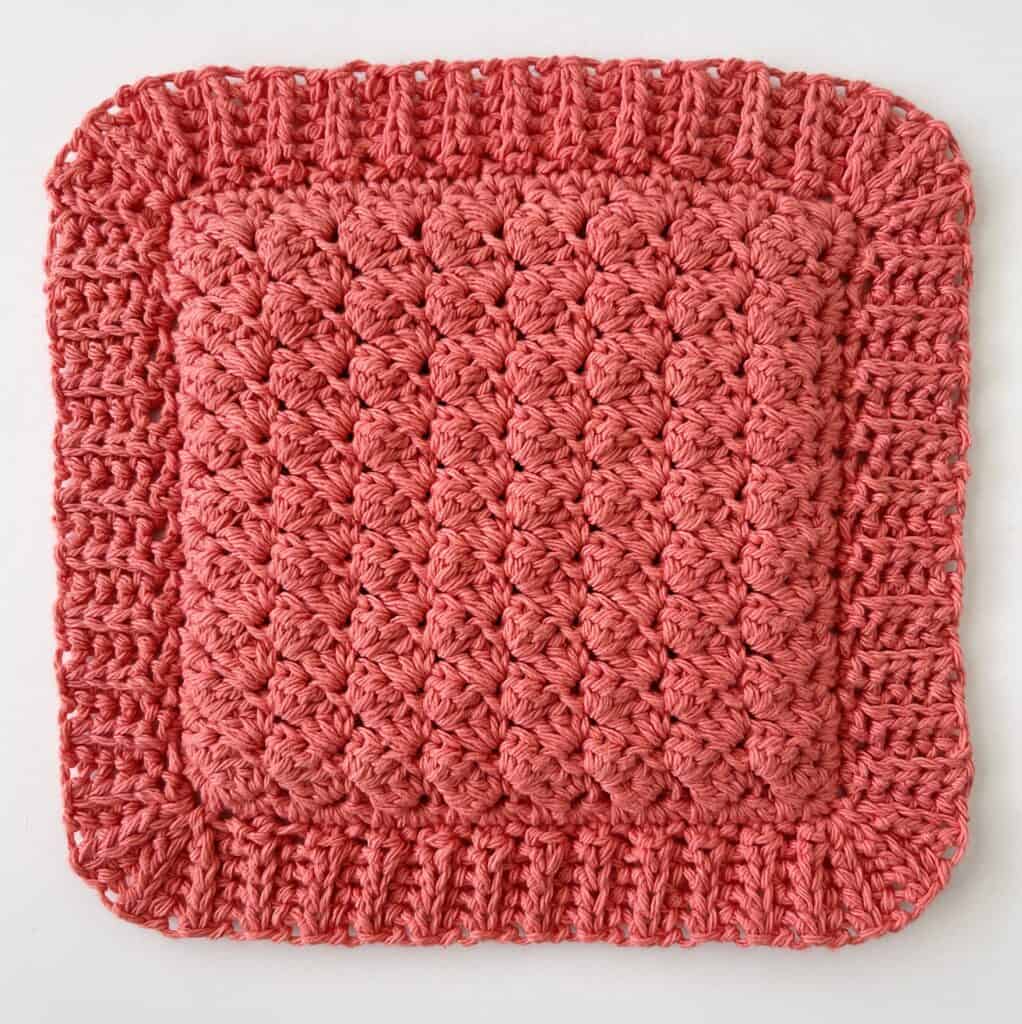
What it looks like: Chunky, dimensional, almost sculptural. This stitch creates these gorgeous little clusters that stack on top of each other, giving you serious texture. If Lemon Peel is pebbles, Sedge is actual cobblestones.
Pattern Details
Starting Chain: Multiple of 3
Row Repeat: 1 row
Stitches Used: Single crochet (SC), Half double crochet (HDC), Double crochet (DC)
How to Work It
Work one single crochet, one half double crochet, AND one double crochet all in the same stitch. Skip the next 2 stitches. Repeat to the end.
So you're basically putting three different height stitches into one spot, then skipping two stitches to make room for the next cluster.
Why it works: Those three-stitch clusters create little lumps that stack perfectly row over row. The skipped stitches keep your stitch count consistent while you work multiple stitches into one and I also find they keep the fabric from getting too dense.
Pro tip: This stitch looks super cute when you add stripes of different colors in different thicknesses
Sedge Stitch Tutorial
Tiffany from Daisy Farm Crafts has wonderful video tutorials for this stitch AND at least 5 gorgeous sedge stitch patterns (that I could count) over on her website. Be sure to check out Daisy Farm Crafts for a Sedge Stitch deep dive.
The Slit Stitch
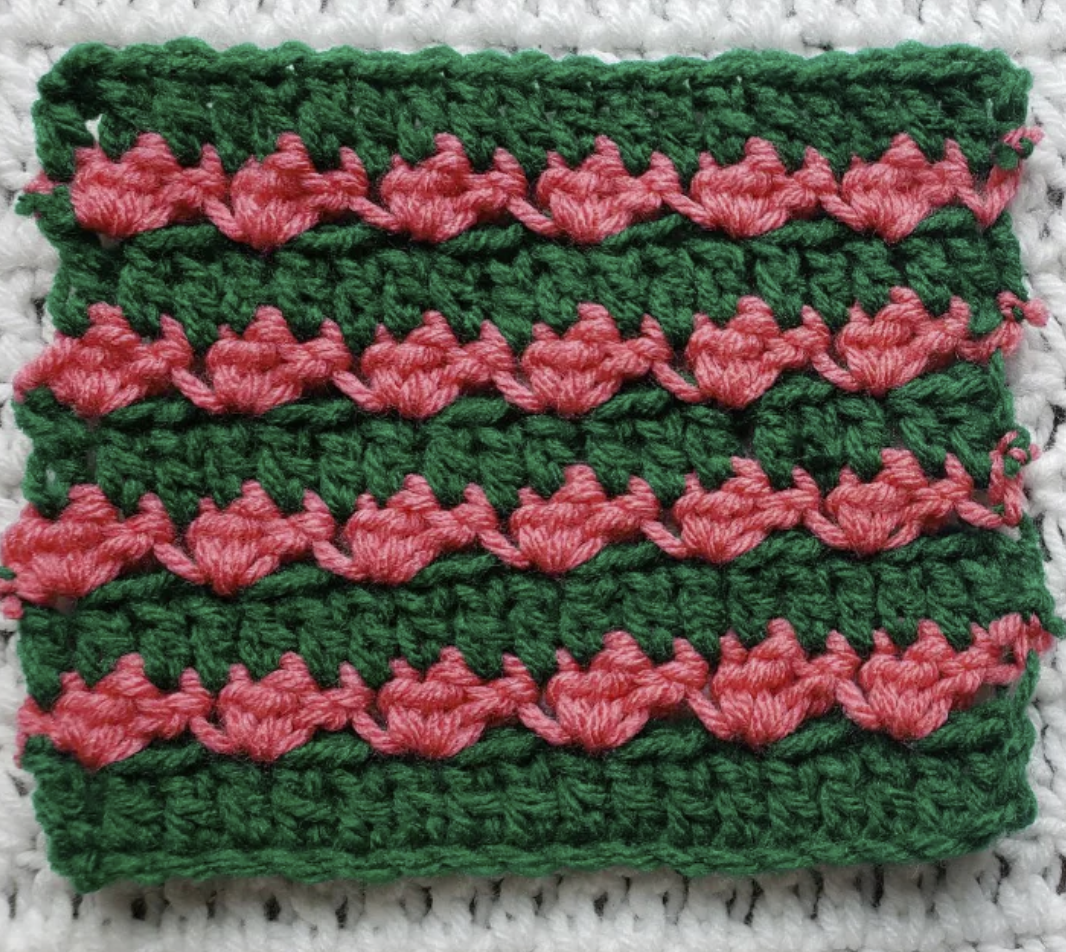
What it looks like: Double crochet with a lil' something special. The slit stitch is very similar to the sedge stitch, with a row working 3 stitches into one. But, with The Slit Stitch, we work our 3 stitch clusters across a row of regular double crochet, giving it a unique stitch pattern compared to others on this list.
Pattern Details
Starting Chain: Multiple of 3
Row Repeat: 2 rows
Stitches Used: Single crochet (SC), Double crochet (DC)
How to Work It
Row 1: One double crochet in each stitch across.
Row 2: Work one single crochet and two double crochets all in the same stitch, skip 2 stitches, repeat to end.
So you're alternating between a plain double crochet row and a cluster row. The cluster row is where the magic happens-those 1SC+2DC groups create the new texture.
Why it works: The foundation row of all double crochets gives you a stable base. Then the cluster row with skipped stitches creates a beautiful new texture. The two-row repeat keeps it interesting without being complicated. It also works great in place of regular double crochet, in patterns.
Best project: Blankets and sweaters or anything where you've gotta put out a lot of stitches! The flat double crochet rows helps your project go a bit faster.
Slit Stitch Tutorial
Taylor over at Crochet Me Lovely has a great video tutorial for The Slit Stitch. She gets right to the point, demonstrating the cluster row, assuming you already know how to double crochet. Plus her choice of color striping highlights the stitches texture beautifully. The cluster row even looks like little flowers...awww.
The Prairie Stitch
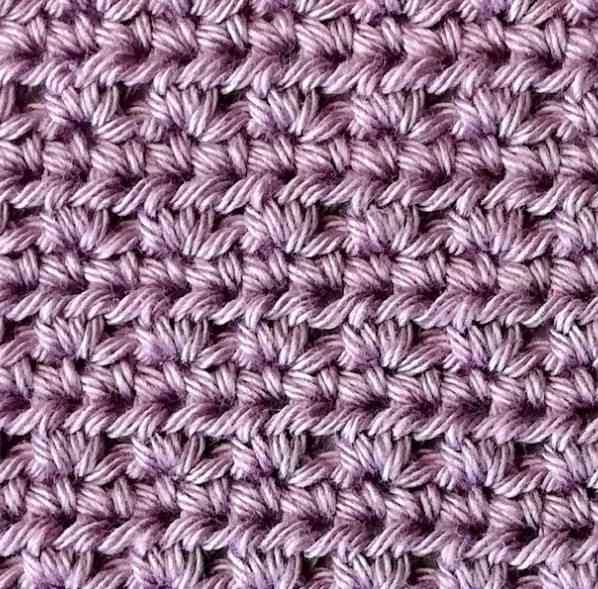
What it looks like: Flat, a bit dense and the most knit-look stitch on the list. If you want a modern, sophisticated looking stitch, consider trying The Prairie Stitch. Using shorter stitches with a combo of single and half double crochet, you'll love using this stitch in place of regular single crochet in patterns.
Pattern Details
Starting Chain: Even number of chains
Row Repeat: 2 rows
Stitches Used: Single crochet (SC), Half double crochet (HDC)
How to Work It
Row 1: One single crochet in each stitch across.
Row 2: Two half double crochets in one stitch, skip the next stitch. Repeat across.
You're basically doing a foundation row of single crochets, then creating little pairs of half double crochets that nestle into the row below.
Why it works: The single crochet row stabilizes everything and creates those neat valleys where your HDC pairs will sit. By working two HDC and skipping every other stitch, it breaks up that typical single crochet density and creates darling little half double crochet tufts that provide a surprising texture.
Prairie Stitch Tutorial
Ieva over at Nordic Hook as an excellent photo tutorial for how to accomplish The Prarie Stitch.
And for those who love a video tutorial, you can check out Hooked By Robin's on Youtube!
The Suzette Stitch (aka Mixed Grit Stitch)
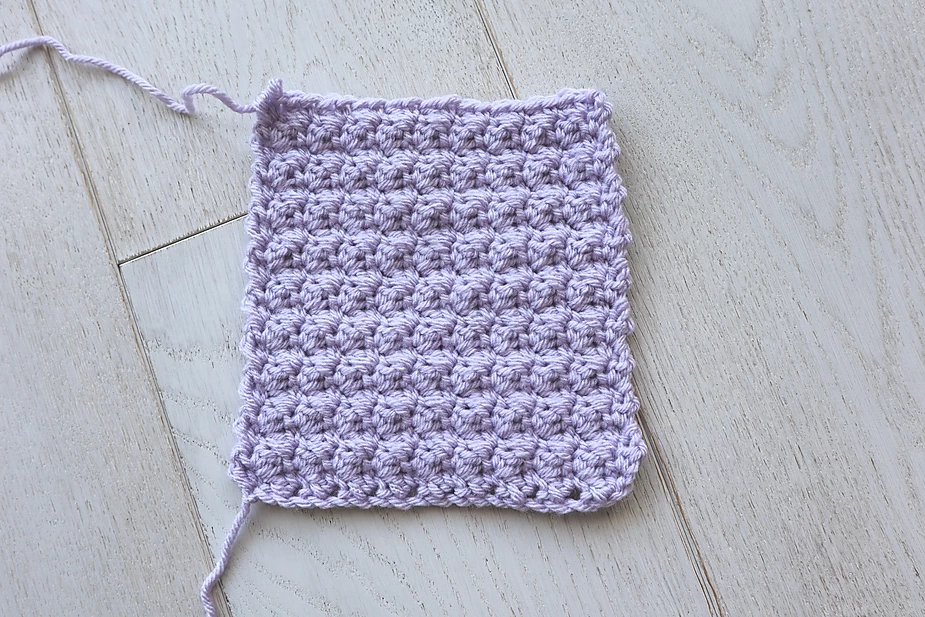
What it looks like: Flat, with regular stacked little tilted berries, and has this great subtle diagonal pattern when you look at it up close. It's often confused with actual Grit Stitch (which we'll get to next), but Suzette uses both single and double crochets instead of just singles.
Pattern Details
Starting Chain: Even number of chains
Row Repeat: 1 row
Stitches Used: Single crochet (SC), Double crochet (DC)
How to Work It
Work a single crochet and a double crochet in the same stitch. Skip one stitch. Repeat across.
You're clustering a short stitch and a tall stitch together, then skipping one to make room. It's kind of like Lemon Peel's cousin, but instead of alternating stitches, you're pairing them.
Why it works: Those SC+DC pairs create little clusters that stack in a really satisfying way. The skipped stitches keep it from getting too tight and give the fabric some flexibility.
My take: This is my go-to for quick throw blankets. It works up fast because of that one-row repeat, creates a nice dense fabric that's still got some drape, and looks way more complicated than it actually is. When I picture a crochet "baby blanket" pattern, this stitch pops into my mind.
Suzette Stitch Tutorial
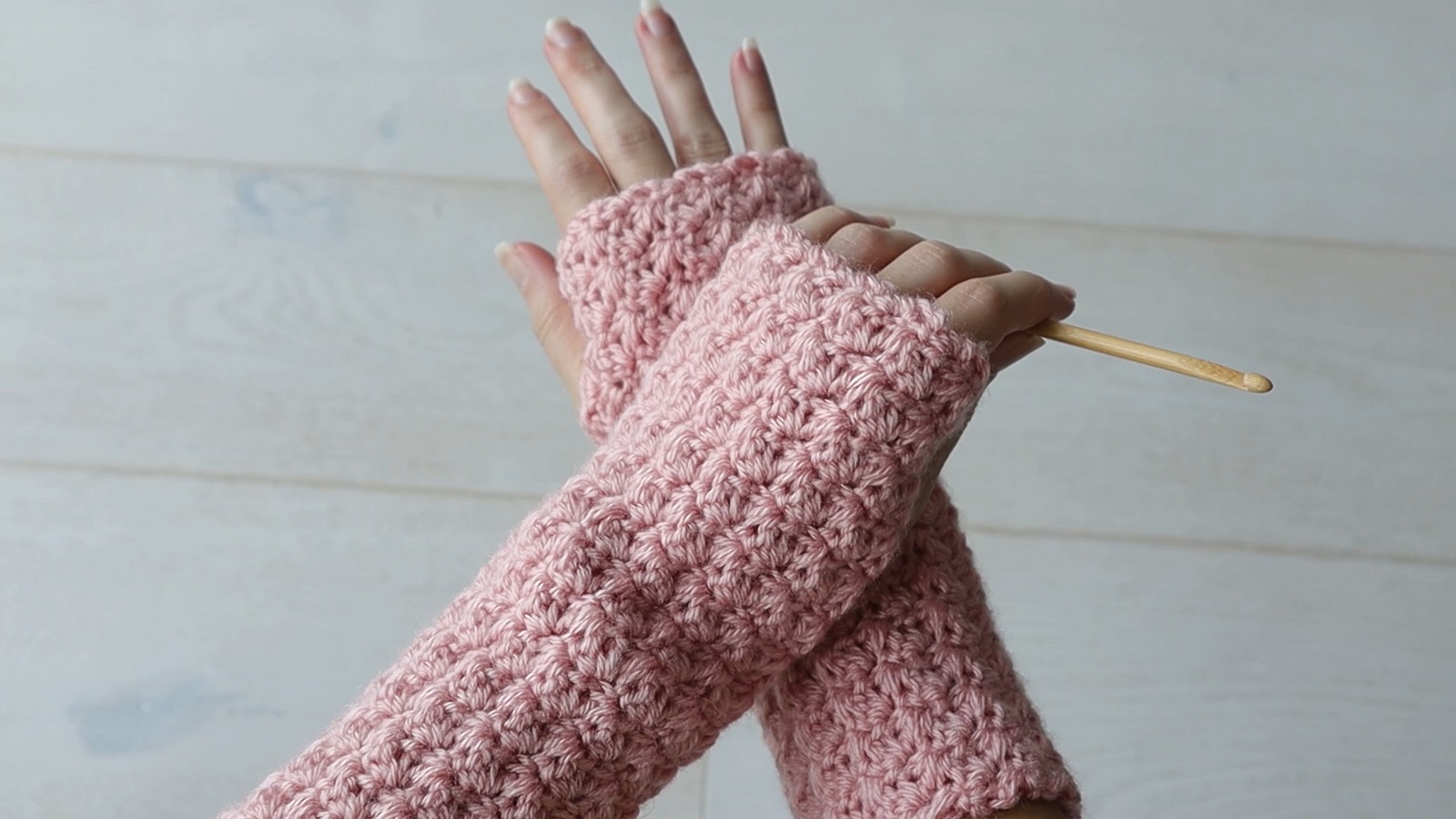
This stitch has been covered extensively by yours truly...me! I've got headband and fingerless glove patterns as well as a tutorial/deep dive into the differences between this stitch and The Griddle Stitch (more on her later).
Learn More
- Suzette Stitch Fingerless Gloves
- Video: Suzette vs. Grit Stitch Comparison
- Suzette Stitch Ear Warmer
The Grit Stitch
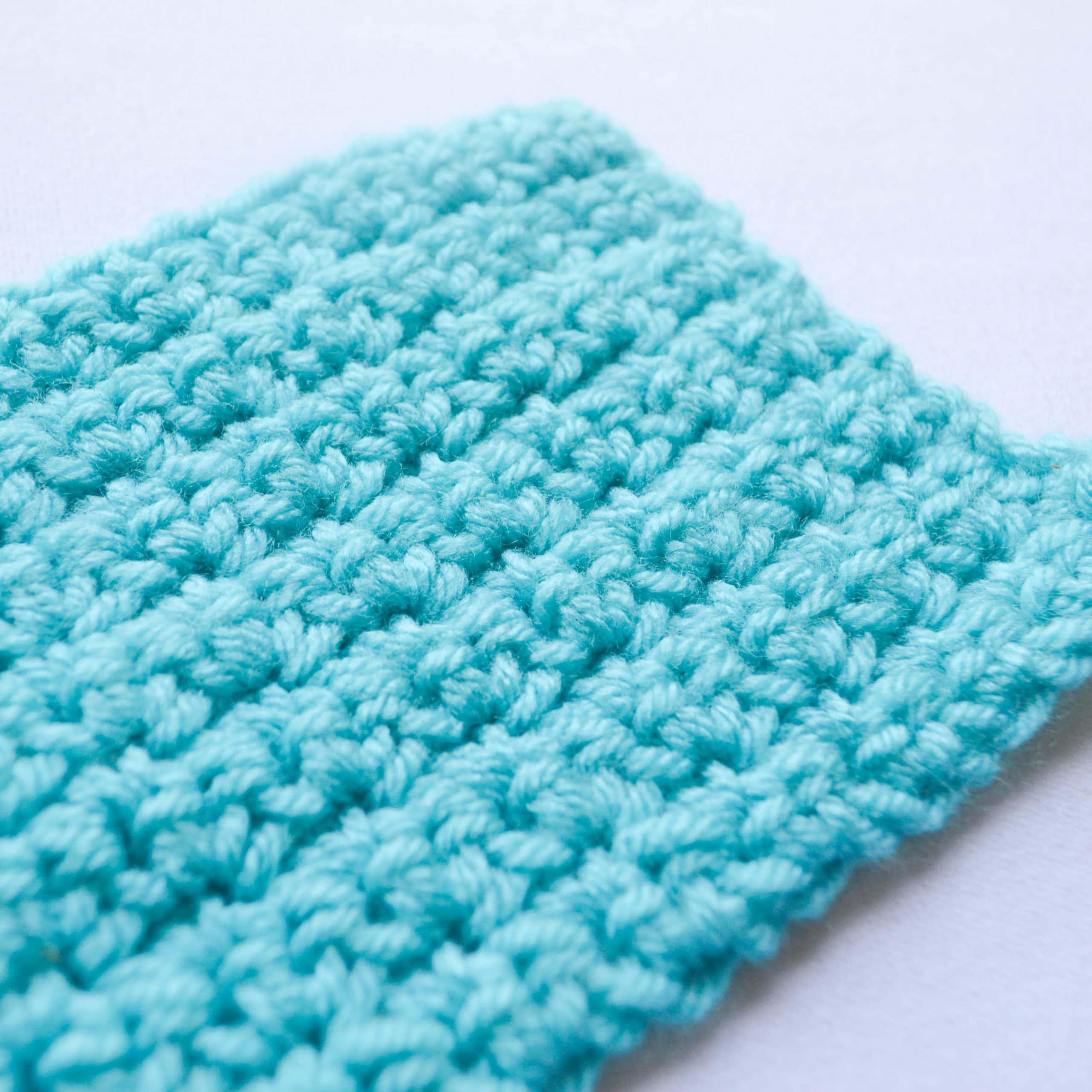
What it looks like: The actual, original Grit Stitch. Quite dense, almost woven-looking, with a flat surface that's perfect for structured projects. This is what you want when you need fabric that won't stretch or lose its shape.
Pattern Details
Starting Chain: Multiple of 2
Row Repeat: 1 row
Stitches Used: Single crochet (SC) only
How to Work It
Two single crochets in the same stitch, skip one stitch. Repeat to end.
That's it-you're just doubling up your single crochets in one spot, then skipping the next stitch.
Why it works: By working two stitches into one and skipping one, you're essentially redistributing the stitches in a way that creates a tight, stable fabric. The all-single-crochet approach means there are no height variations, giving you that characteristic flat, dense texture.
Real talk: This stitch is DENSE. But it's great for trivets, bags, placemats or any practical items that need structure. I would hesitate to do a sweater in this stitch, for example, but with loose enough tension and the right yarn, anything is possible!
Grit Stitch Tutorial
Amelia over at Amelia Makes has a great Grit Stitch tutorial over on her blog as well as a super quick video tutorial available as a Youtube Short.
BONUS: The Griddle Stitch or The Houndstooth Stitch
So The Griddle Stitch is sometimes just another name for The Lemon Peel Stitch, and they are essentially the same thing, alternating single crochet and double crochet. However, if someone happens to write the stitch pattern BEGINNING with a double crochet rather than a single crochet, I more often see that stitch pattern referred to as "The Griddle Stitch."
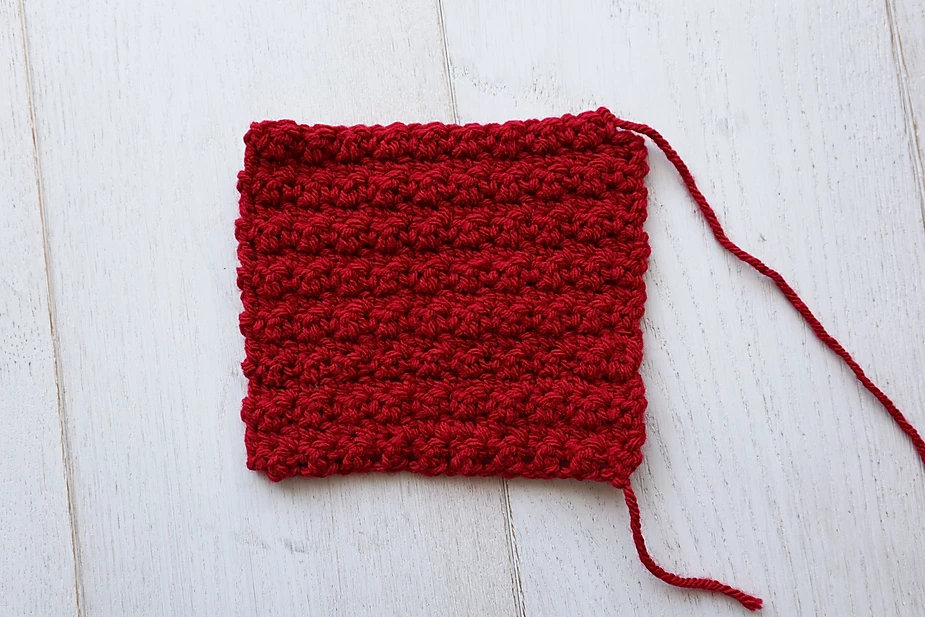
Alternating colors as well? Now you've got The Houndstooth stitch! It's just The Lemon Peel Stitch (or griddle) while alternating colors, creating a stitch pattern reminiscent of that classic, not quite checkered, kinda space-invaders inspired shape.
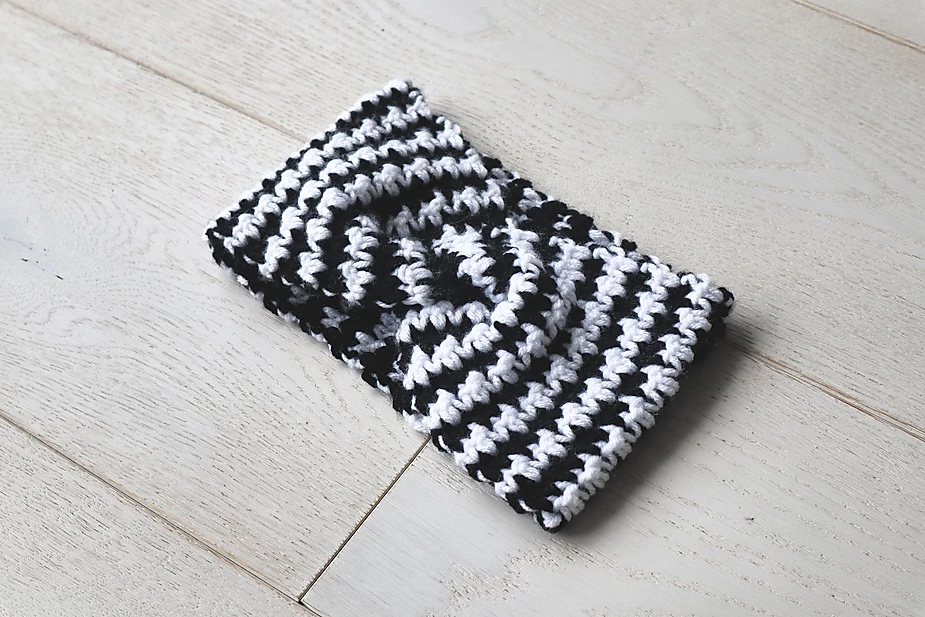
And if your eyes popped at the sight of that houndstooth stitch just like mine did when I first saw it, you'll love my houndstooth stitch ear warmer pattern.
Look how many stitches you ALREADY know!
The next time you see a pattern calling for the Suzette Stitch or Lemon Peel, you can confidently say "oh yeah, I've got this" and dive right in. No new techniques to learn, just creative combinations of the basics you've already mastered. Of course, feel free to bookmark and come back to this page whenever you need a refresher. It's packed full of crochet know-how and resources!
I'd love to know which stitch you're most excited to try first. Are you team dense-and-structured Grit Stitch, or are you reaching for that pebbly Lemon Peel texture? Drop a comment and let me know-and if you end up making something with one of these stitches, I'd absolutely love to see it. Happy crocheting!
More Guides
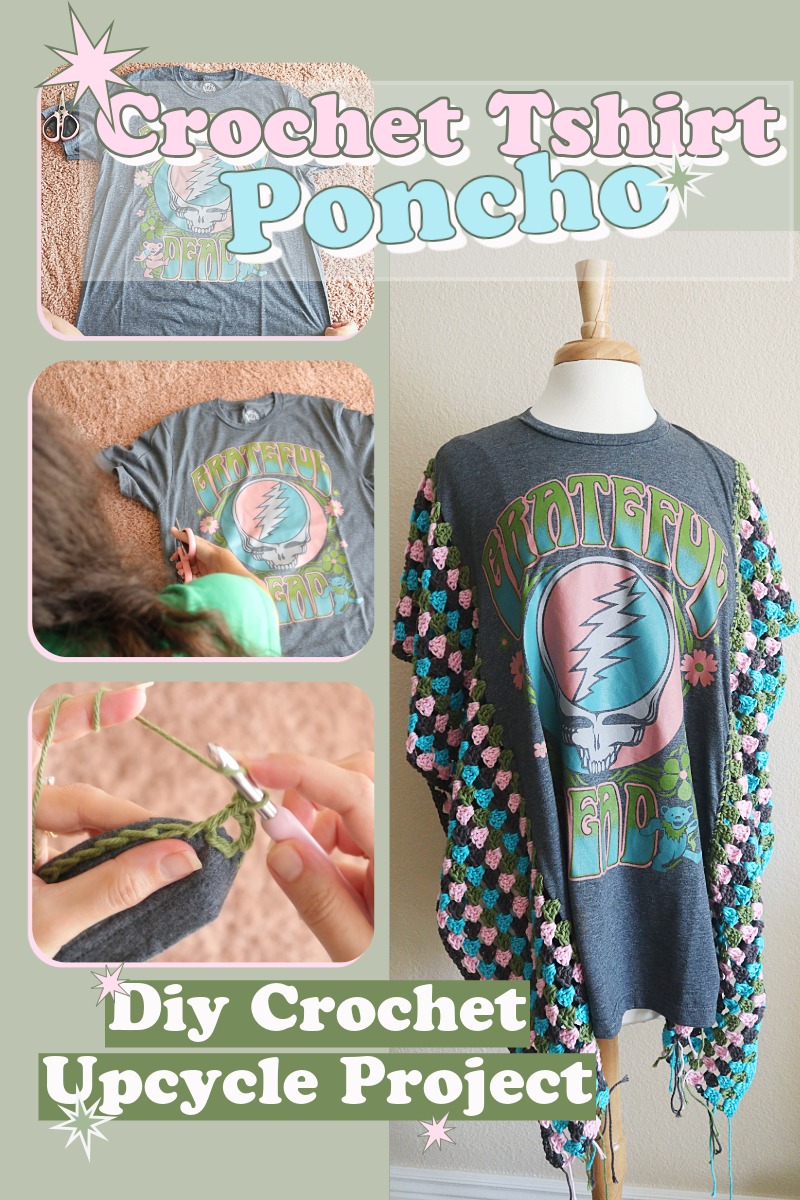
- DIY Crochet T-Shirt Poncho – Upcycle an Old Tee into Festival-Ready Style
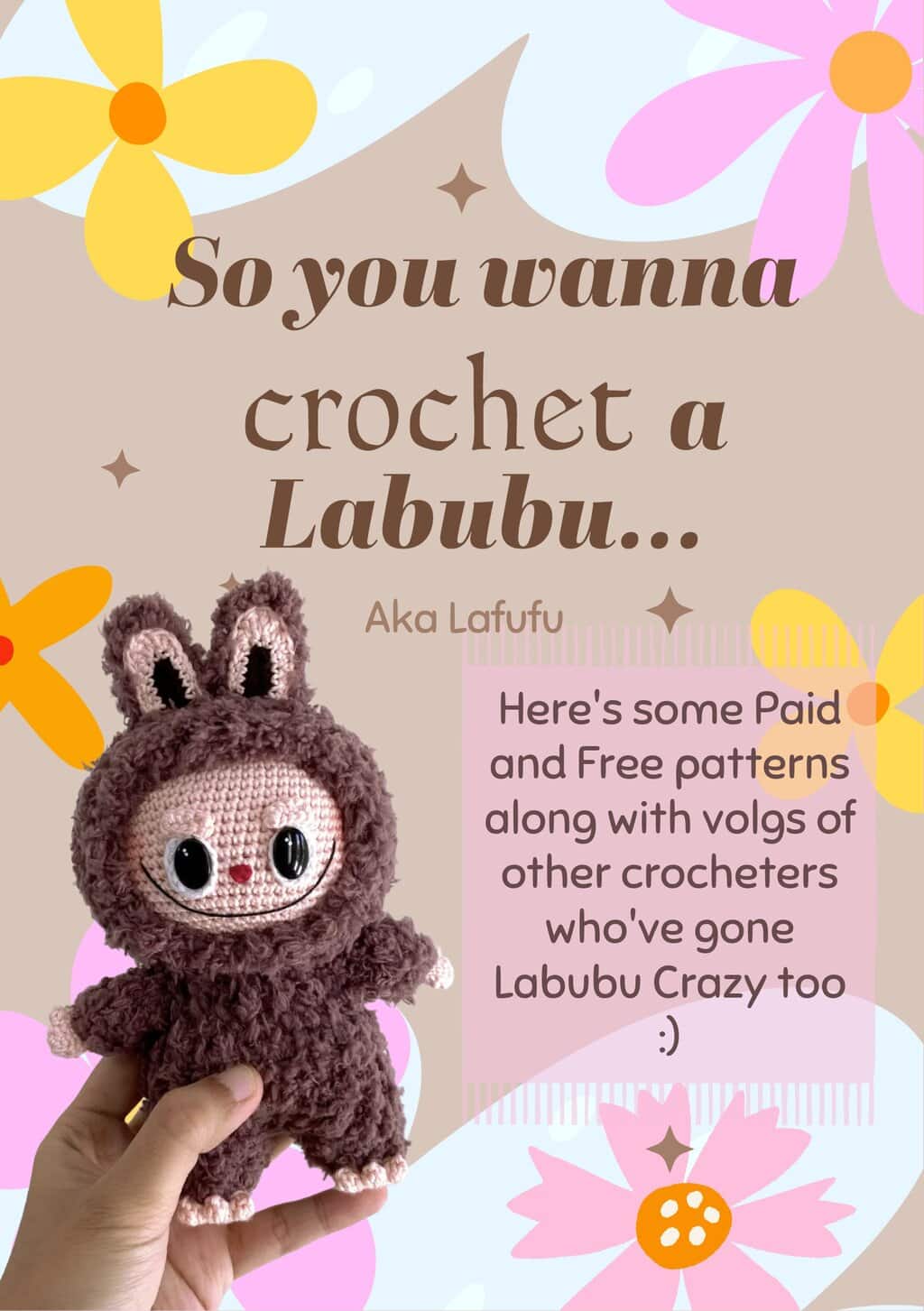
- Are You Really Gonna Crochet A Labubu? - Paid, and Free Patterns To Help You On Your Lafufu Journey
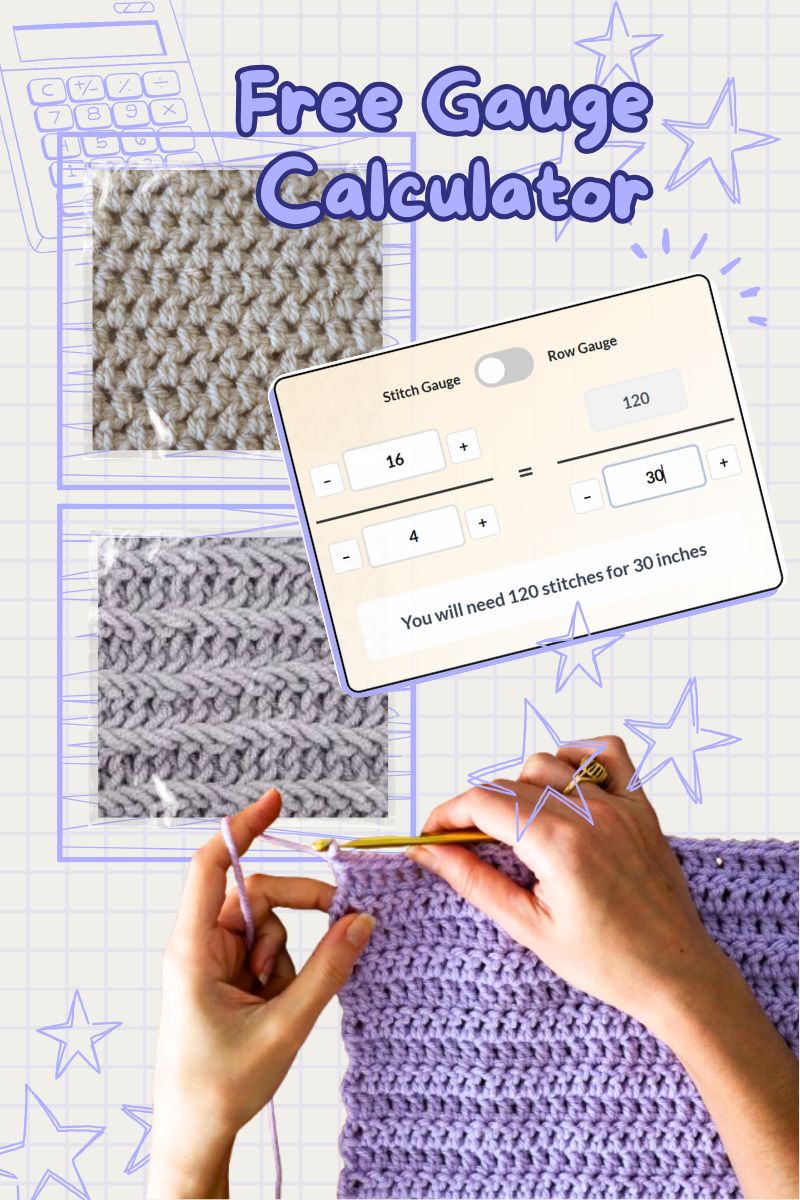
- Free Gauge Calculator: Your Key to Pattern Matching AND Creation
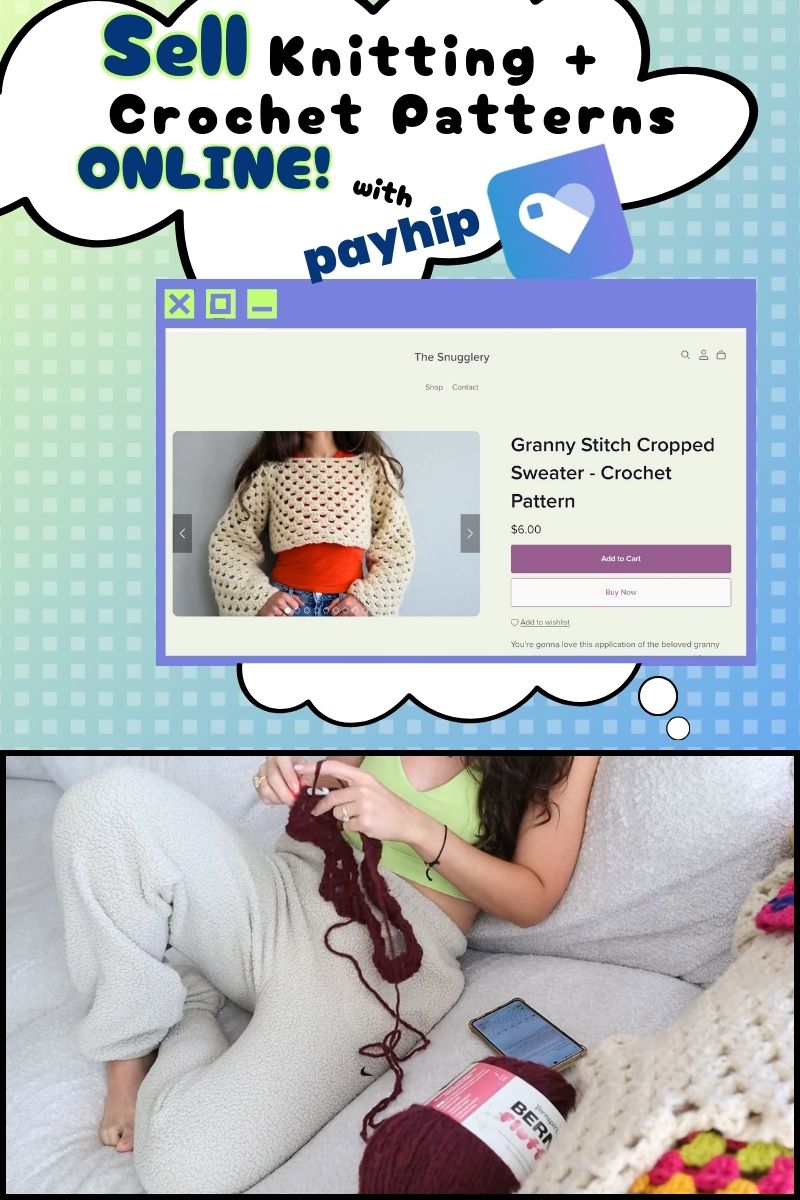
- Quick Start Guide To Selling Knitting And Crochet Patterns Online With Payhip!